water vs energy
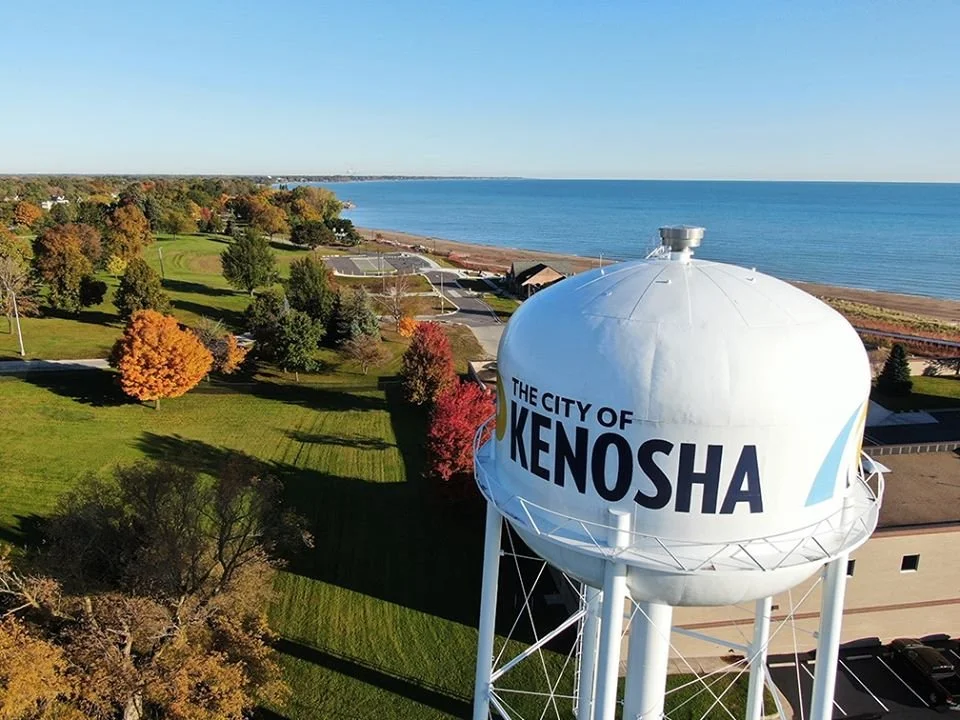
Microsoft's data center will be on the city water system
PSC Commissioner Kristy Nieto
10/19/26
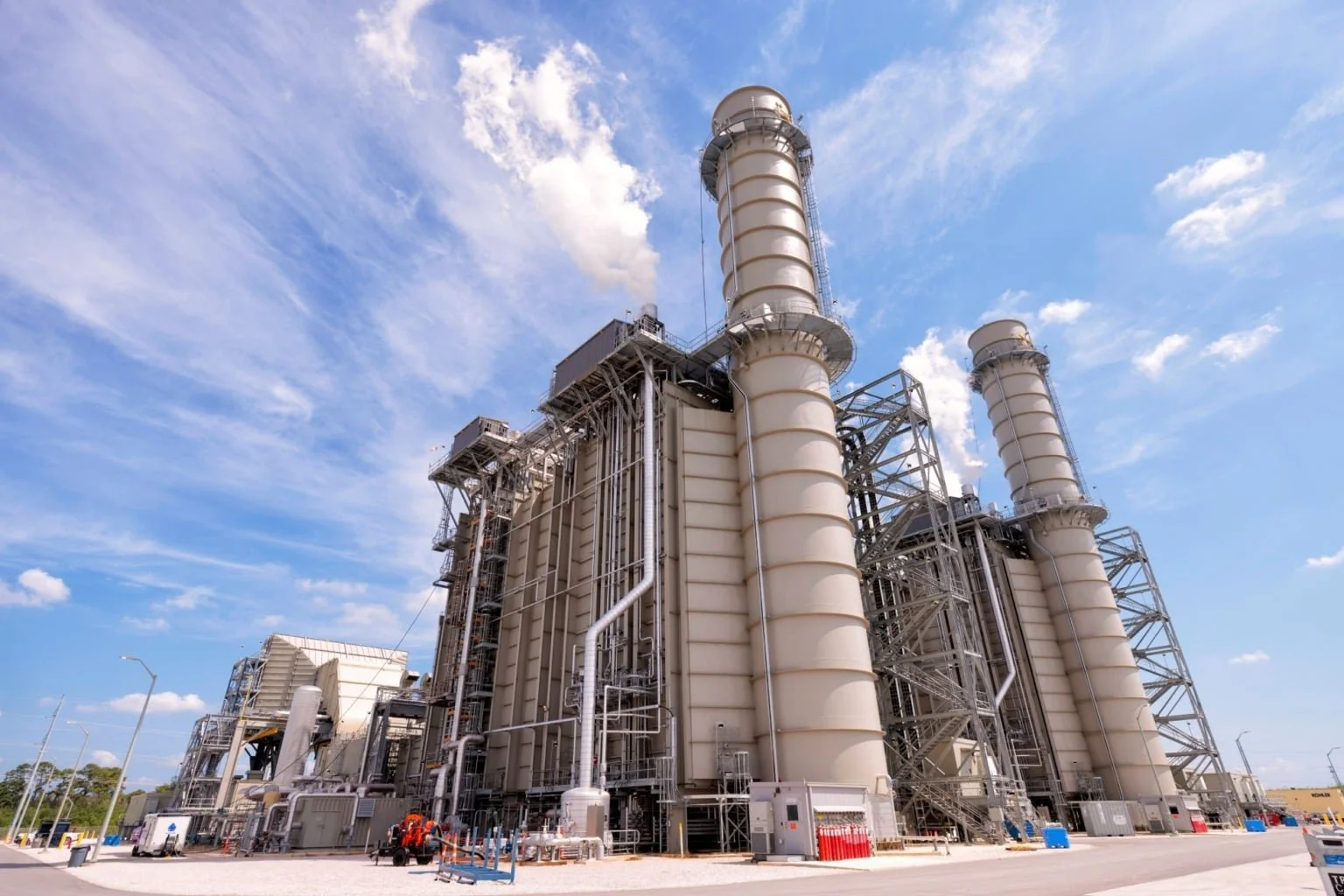
Nieto said concerns about new fossil fuel plants in Wisconsin extend beyond the two projects approved Thursday, and reflect broader questions about how Wisconsin is planning for rapidly growing electricity demand.
“We are seeing growing demand for electricity, particularly due to data centers and artificial intelligence,” Nieto said. “I have concerns about the pace at which we are adding fossil fuel generation to meet that demand — gas for AI, you can call it.”
How Closed-Loop Systems Work
Sealed Circuits: Coolant or water absorbs heat directly from high-density servers or chips and moves through a closed loop without burning off into the atmosphere. [1, 2, 3]
Heat Rejection: The trapped heat transfers to outdoor air, dry coolers, or secondary heat exchangers rather than evaporating water into a cooling tower. [1, 2]
Makeup Water: Day-to-day consumption drops drastically (sometimes saving over 125 million liters per site annually), needing minimal "makeup" water only during extreme peak heat or maintenance. [1, 2, 3]
Pros and Cons
Benefits:
Massive cuts in daily freshwater demand and lower localized watershed strain.
Less biological growth and scaled chemical treatment inside the sealed primary loop.
State legislation and local policies increasingly incentivize or mandate closed-loop designs to curb drought and agricultural conflicts. [1, 2, 3, 4, 5]
Drawbacks:
Higher upfront equipment costs and engineering complexity (requiring specialized pumps, piping, and heat exchangers).
Higher electrical energy use in certain conditions because heat must pass through exchangers or run mechanical chillers/dry coolers when ambient air is warm.
Secondary heat rejection may still rely on minor evaporative or hybrid modes during extreme heatwaves unless paired with dry-air or direct-to-chip liquid designs. [1, 2, 3, 4]
Closed-loop data centers are not entirely free of environmental impacts, even though they dramatically reduce direct water consumption compared to traditional open-loop systems. [6.7]
Key Environmental Concerns
Higher Electricity
Demand: Closed-loop systems (such as air-cooled or sealed liquid setups) require significantly more electricity to run pumps, fans, and compressors than evaporative cooling towers. [8,9]
Indirect Water Footprint (The Water-Energy Nexus)
Because closed-loop systems use more power, they indirectly consume large amounts of water if that electricity comes from thermoelectric power plants (fossil fuel or nuclear plants) that rely on water for cooling. [6.7]
Chemical Additives and Toxic Leaks
Closed-loop systems rely on specialized chemical cocktails (such as nitrites, glycols, and corrosion inhibitors) to prevent bacterial growth and pipe degradation inside the sealed coils. If these loops spring a leak or undergo unscheduled maintenance (drain-downs), these chemicals can contaminate local storm drains, soil, or municipal wastewater facilities.[10,11]
Forever Chemicals (PFAS)
Data centers frequently utilize clean-agent fire suppression systems (like FM-200 or Novec 1230) and specialized coolants that contain PFAS (per- and polyfluoroalkyl substances), which persist indefinitely in the environment and accumulate in ecosystems and human tissue. [12]
Benefits vs. Drawbacks
Water Savings
Closed-loop systems cut direct freshwater consumption by up to 70% compared to open-loop evaporative methods, meaning they draw far less municipal or aquifer water on a day-to-day basis. [13,14]
The Trade-off
As highlighted in discussions on platforms like Reddit, solving a direct local water problem often trades it for an energy and chemical problem, shifting the environmental burden to power grids and waste-water treatment plants.n[15]
citations
Maria Chavez, senior energy analyst for the Union of Concerned Scientists, said in a statement that the approval would leave Wisconsin families
“stuck paying billions of dollars for dirty, expensive methane gas plants that may not even be needed.”
“These projects, driven by growing data center demand,
threaten to increase electricity bills, worsen air pollution and contribute to devastating climate impacts,”
she said Thursday.